
Your Journey to eagle
Advancement
Advancement is a key part of the Scouting experience, allowing Scouts to develop new skills, build confidence, and take on leadership roles. The Scouting America (SA) advancement program is designed to be a journey of personal growth, where each Scout progresses at their own pace while working toward new ranks and achievements.
In Troop 984, advancement is more than just checking off requirements—it’s about hands-on learning, teamwork, and setting personal goals. Whether a Scout is earning their next rank, working on a merit badge, or preparing for an Eagle Scout project, each step in the process teaches valuable life skills and leadership.

How Advancement Works
Advancement in Scouting is based on four key steps:
Learning: Scouts learn new skills through meetings, campouts, and activities.
Testing: Scouts demonstrate their skills to a leader or instructor who verifies completion.
Reviewing: Once requirements are completed, Scouts participate in a Scoutmaster Conference and sometimes a Board of Review to reflect on their progress.
Recognition: Scouts receive awards, merit badges, and rank advancements during Court of Honor ceremonies.
Scouts are encouraged to take responsibility for their own advancement by tracking their progress, asking for guidance from troop leaders, and staying engaged in Scouting activities.
Ranks & Requirements
Scouting advancement is an exciting journey filled with challenges and achievements. Each rank presents new opportunities for Scouts to master outdoor skills, take on leadership responsibilities, and build confidence. As Scouts progress, they learn essential survival skills, teamwork, and self-reliance, preparing them for greater adventures ahead. The advancement system is designed to be both fun and rewarding, encouraging Scouts to push their limits and grow as individuals. Along the way, they gain valuable life skills, make lasting friendships, and contribute to their communities. Every step taken on this path helps shape Scouts into capable and service-minded leaders of the future.
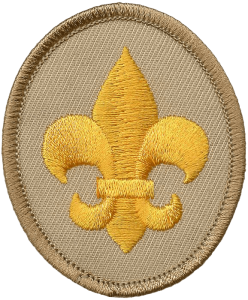
Scout Rank
The entry-level rank where Scouts learn the basics of the program, the Scout Oath and Law, and fundamental skills.
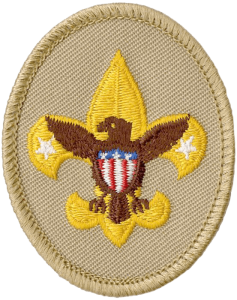
Tenderfoot
Focuses on basic outdoor skills, fitness, and the first steps toward leadership and personal responsibility.
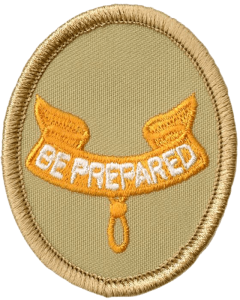
Second Class
Builds on Tenderfoot skills with an emphasis on navigation, first aid, and service.
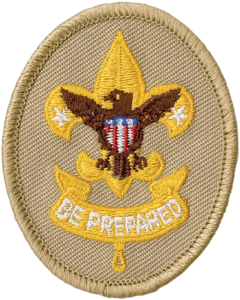
First Class
Strengthens outdoor skills and leadership, preparing Scouts for more independence in the program.
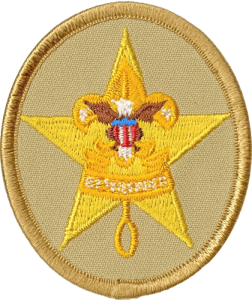
Star
Introduces leadership roles and a focus on merit badges, particularly those required for Eagle.
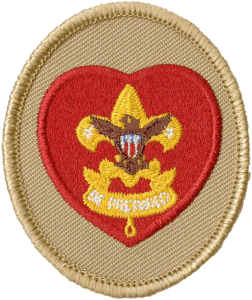
Life
Builds on Tenderfoot skills with an emphasis on navigation, first aid, and service.
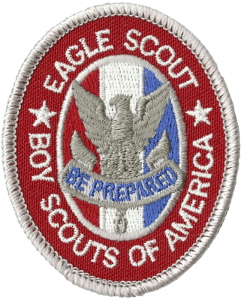
Eagle
Strengthens outdoor skills and leadership, preparing Scouts for more independence in the program.
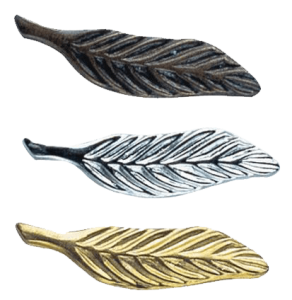
Eagle Palms
Bronze, Silver & Gold Palms reward Eagle Scouts for earning additional merit badges and leadership.
Each rank has specific requirements, which include learning new skills, demonstrating proficiency, and showing leadership and community service. In our troop, Scouts who have achieved First Class or above are responsible for signing off on completed requirements for other Scouts who are working toward their next rank. However, if you are First Class or above, you must have someone who has earned a higher rank sign off on your requirements. Scouts should actively track their progress using their Scout handbook, where they can see which requirements they have completed and what remains to be done.
Scouts are encouraged to work closely with troop leaders, merit badge counselors, and fellow Scouts to stay on track and reach their advancement goals. The journey through the ranks is not only about earning badges but about growing into capable, responsible, and service-minded individuals.
Merit Badges
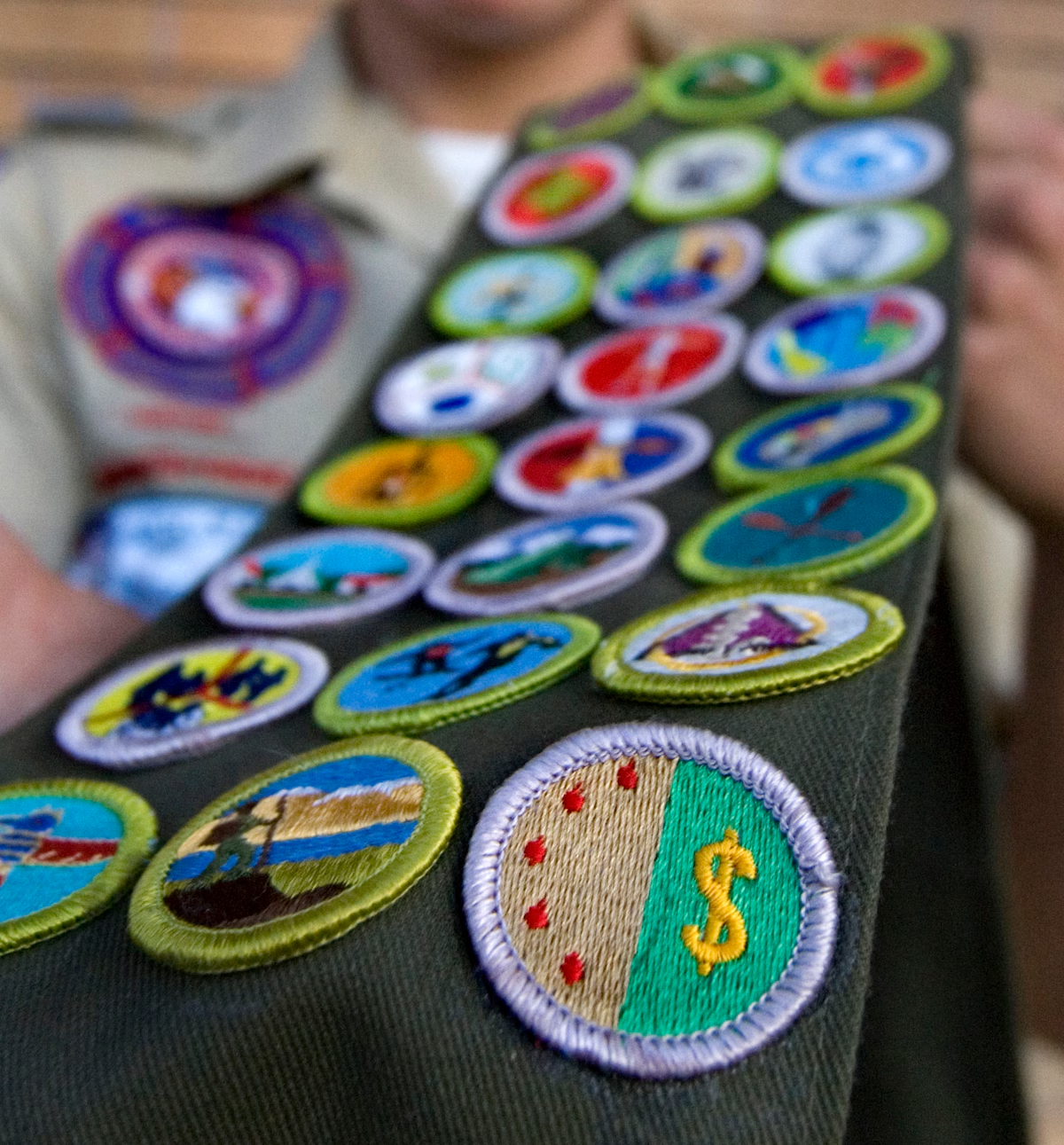
Merit badges are an exciting way for Scouts to dive into new adventures, challenge themselves, and gain recognition for their hard work. With over 135 options, Scouts can explore everything from lifesaving techniques to cutting-edge technology. Whether it's mastering survival skills, learning about financial literacy, or discovering the wonders of astronomy, each merit badge provides hands-on learning and personal growth. Some badges are essential for earning the prestigious Eagle Scout rank, while others let Scouts pursue hobbies and career interests. Along the way, Scouts build confidence, develop leadership skills, and expand their horizons. Each merit badge is a stepping stone toward new opportunities and lasting memories.
The Merit Badge Process
Choose a Merit Badge
Scouts select a badge they are interested in from the official Merit Badge List and get the approval of the Scoutmaster and/or Advancement Chairman before proceeding.
Find a Merit Badge Counselor
Each merit badge has an adult counselor who helps guide Scouts through the learning process. Troop 984 maintains a list of approved Merit Badge Counselors that Scouts can reach out to.
Complete the Requirements
Scouts learn and demonstrate their skills, either through troop meetings, outings, or independent study.
Get Signed Off
Once all requirements are met, the Merit Badge Counselor verifies completion and signs off on the blue card or digital record. Scouts are then required to turn in the merit badge card to the Advancement Chairman to ensure it is properly recorded.
Receive the Badge
Earned merit badges are awarded at the next Court of Honor, where Scouts are recognized for their achievements.
Scoutmaster Conferences & Boards of Review
As Scouts progress in rank, they participate in Scoutmaster Conferences and Boards of Review, two key steps in the advancement process. These meetings provide Scouts with an opportunity to reflect on their growth, discuss their experiences, and receive constructive feedback from troop leaders and parents.
Scoutmaster Conference
Before advancing to the next rank, Scouts meet one-on-one with the Scoutmaster to review their progress, discuss challenges, and set future goals. This informal conversation allows Scouts to gain insight into their development and ensure they are prepared for the next step.
Board of Review
After completing a Scoutmaster Conference, Scouts participate in a Board of Review, a meeting with a panel of troop committee members and parents. The board evaluates the Scout’s progress, leadership, and overall growth in Scouting. It is not a test but a discussion to ensure Scouts are benefiting from the program and living by the Scout Oath and Law. The Board of Review also serves as a valuable experience in preparation for future job interviews, helping Scouts build confidence in speaking with adults they may not know well. Additionally, it provides an opportunity to discuss how Scouting has influenced other areas of life, such as school, sports, church, and extracurricular activities.

Both of these steps are essential to the advancement process, helping Scouts develop confidence, leadership, and accountability. They also provide an opportunity for troop leaders to encourage Scouts in their journey and celebrate their achievements.
Eagle Scout Rank & Service Project
Reaching the rank of Eagle Scout is the pinnacle of a Scout's journey and represents a commitment to leadership, service, and personal growth. This prestigious rank is earned through years of dedication, skill development, and community involvement.
To achieve Eagle Scout, a Scout must:
Complete all rank requirements
Earn the ranks of Scout, Tenderfoot, Second Class, First Class, Star, and Life.
Earn a minimum of 21 merit badges
14 of these must be from the required list, including badges such as Citizenship in the Nation, Communication, and First Aid.
Demonstrate leadership
Serve in an official leadership position within the troop, such as Patrol Leader, Senior Patrol Leader, or Troop Guide.
Plan and complete an Eagle Scout Service Project
This project must benefit the community, school, or religious organization and be entirely planned and led by the Scout.
Attend a Scoutmaster Conference
A final discussion with the Scoutmaster to review accomplishments and preparedness for the Eagle Board of Review.
Pass the Eagle Board of Review
A review conducted by a panel of leaders and community members to assess the Scout’s journey, service, and readiness for the rank.

The Eagle Scout Service Project is a significant requirement that challenges Scouts to give back in a meaningful way. The project must be developed, documented, and executed with leadership skills, including organizing volunteers and securing necessary resources. Examples of past projects include building park benches, organizing blood drives, constructing community gardens, and leading conservation efforts.
Any Life Scout working toward Eagle should collaborate with an Eagle Scout Mentor, an experienced adult leader designated to guide Scouts through the process. These mentors provide valuable feedback, help with planning, and ensure Scouts stay on track. Scouts should reach out to the Scoutmaster, who can then refer them to a potential mentor.
Once all requirements are completed and the Eagle Board of Review is passed, the Scout's accomplishment is officially recognized with a Eagle Scout Court of Honor ceremony, marking a milestone that lasts a lifetime.
Advancement Tracking & Resources
Tracking advancement is an essential part of a Scout’s journey, ensuring they stay on course to achieve their goals. Troop 984 uses TroopWebHost, an online platform where Scouts can log in to track completed ranks, merit badges, camping nights, and service hours. Only completed merit badges are recorded in TroopWebHost. To monitor progress toward their next rank, Scouts should actively use their Scout handbook to track achievements and get requirements signed off before they are officially recorded.
For additional support, the troop’s Advancement Chair is available to assist with tracking progress, verifying records, and answering any questions about rank requirements. Scouts are encouraged to take initiative by regularly reviewing their advancement status and setting goals for their next steps. Additionally, troop meetings and campouts provide valuable opportunities to complete rank requirements, work on merit badges, and seek guidance from troop leaders.
By staying engaged and using these resources, Scouts can make steady progress in their Scouting journey while developing leadership, outdoor skills, and a commitment to service.
Frequently Asked Questions
How do I know what requirements I have left for my next rank?
Scouts should track their progress using their Scout Handbook, where they record completed requirements. Additionally, they can log into TroopWebHost to review completed ranks, merit badges, camping nights, and service hours.
Who can sign off on my rank requirements?
Scouts who have reached First Class and above can sign off on requirements for younger Scouts. However, if you are First Class or higher, a Scout who has earned a higher rank must sign off on your requirements.
How do I start working on a merit badge?
Scouts must first choose a merit badge and obtain approval from the Scoutmaster and/or Advancement Chairman. Then, they should find a Merit Badge Counselor to guide them through the requirements.
When are merit badges officially recorded?
Only completed merit badges are recorded in TroopWebHost. Scouts must ensure their blue card is signed off by the Merit Badge Counselor and submitted to the Advancement Chairman for official recording.
How do I schedule a Scoutmaster Conference or Board of Review?
Scouts should speak with the Scoutmaster to arrange a Scoutmaster Conference. Afterward, they can coordinate with the Advancement Chair to schedule a Board of Review.
How do I find an Eagle Scout Mentor?
Any Life Scout working toward Eagle should contact the Scoutmaster, who will refer them to a designated Eagle Scout Mentor for guidance through the process.
What happens at a Court of Honor?
A Court of Honor is a special ceremony where Scouts are recognized for their achievements, including rank advancements, merit badges, and other awards. Families and friends are encouraged to attend to celebrate the Scouts' accomplishments.